When people talk about faster construction timelines, the conversation often focuses on convenience. Fewer months of waiting. Less time living between decisions. Earlier move‑in dates. These are critical factors, and often the highest priority. At SmartPads, we pride ourselves in getting our customers there sooner, as most of us would rather be out on the trail or getting fresh tracks than making decisions about doorknobs.
But speed in residential construction has implications well beyond lifestyle. Schedule length directly affects financing costs, risk exposure, and overall project predictability. This case study looks at one SmartPads home through a purely analytical lens: dates, duration, and the downstream effects of compressing a build schedule.
Project Overview
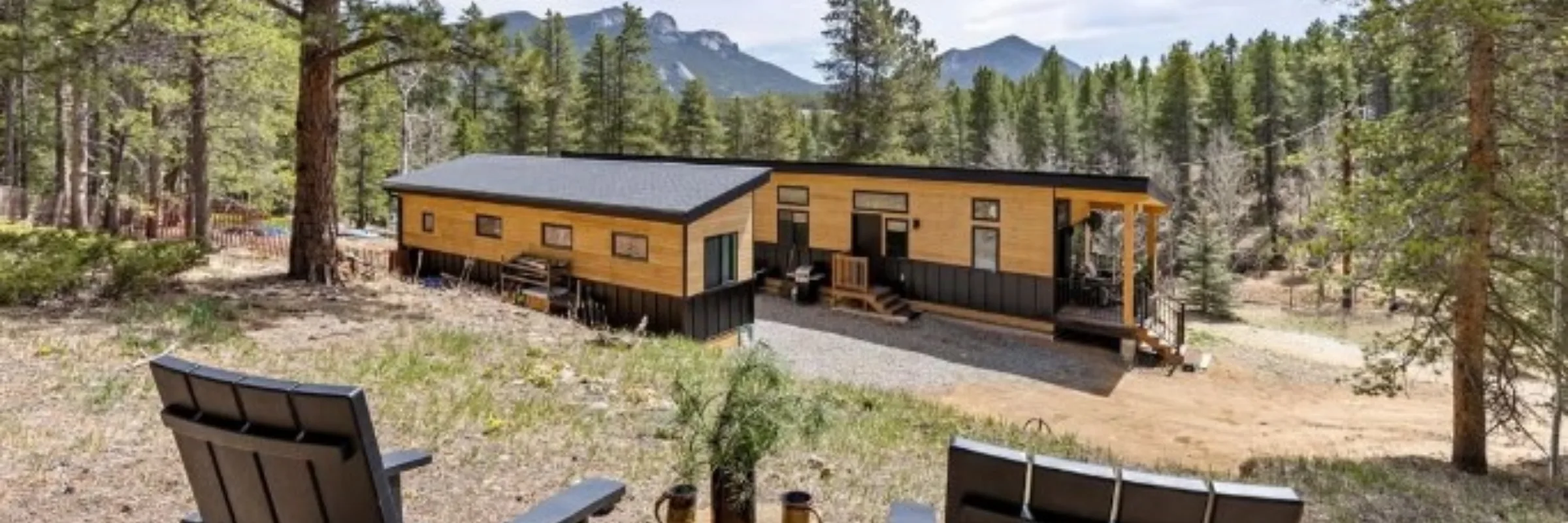
This project followed a modular vs site-built construction approach, with the home built in a factory environment and then transported to site for installation and completion.
Key dates:
- Factory start: January 15, 2025
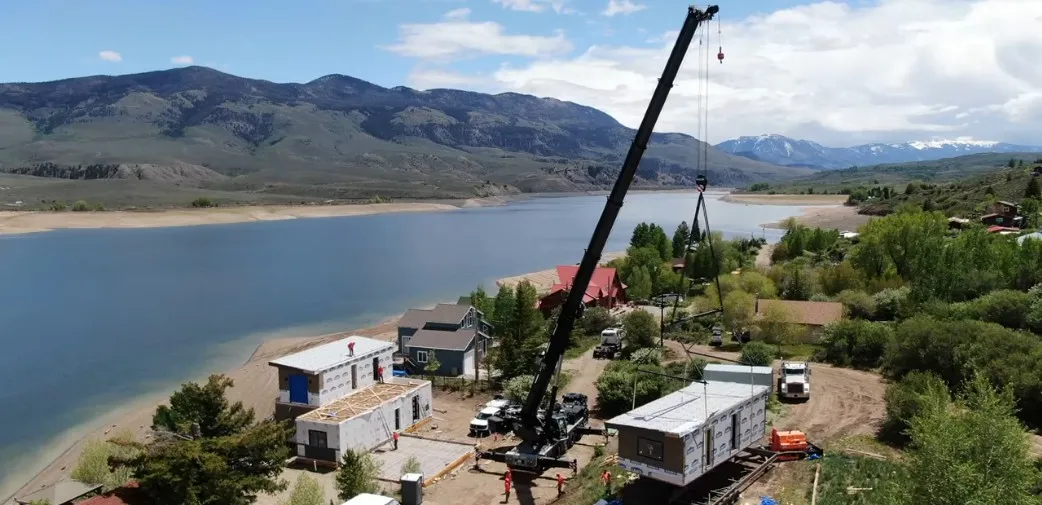
- Modules shipped and set on foundation: April 15, 2025
- Certificate of Occupancy issued: June 28, 2025
From factory start to Certificate of Occupancy, the total duration was approximately 164 days, or about 5.5 months.
For context, comparable custom site‑built homes in similar mountain environments commonly take around 24 months to complete, once ground is broken.
Breaking Down the Timeline
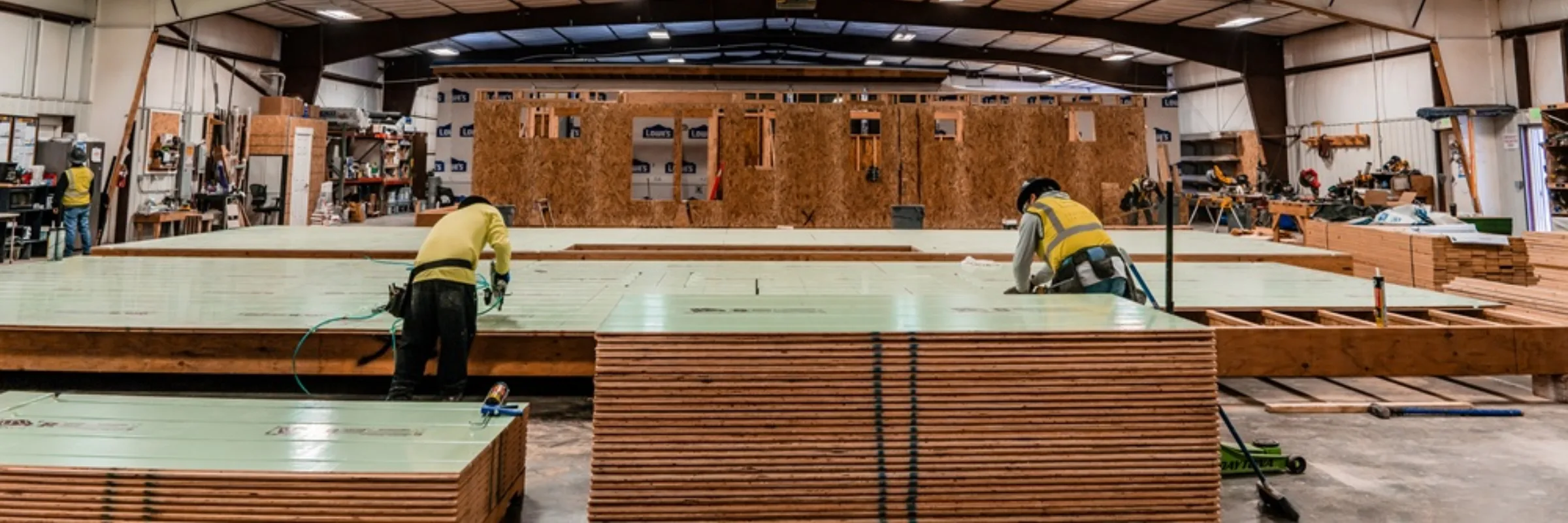
One of the defining characteristics of modular construction is the ability to run major phases of work in parallel.
While site work and foundations were underway, the home itself was being constructed in a controlled factory setting. This differs from traditional site‑built sequencing, where framing, rough‑ins, enclosure, and finishes occur almost entirely one after the other, and often with delays in between due to the coordination and schedule alignment of sub-contractors.
Factory StartModules SetCertificate of OccupancyJanuary 15, 2025April 15, 2025June 28, 2025~90 days~74 days
Total Build Duration: ~164 Days (≈5.5 Months)
Typical custom mountain home: ~24 months
In this case:
- Roughly 90 days elapsed between factory start and module set.
- An additional 73–74 days were required to complete site integration, utilities, inspections, and final approvals.
The result was a compressed and predictable schedule with fewer external dependencies.
Why Schedule Length Matters Financially
Most custom homes are financed with construction loans that accrue interest throughout the build period. The longer the construction timeline, the longer interest accumulates before permanent financing replaces the construction loan at occupancy.
This project was financed with a $1.3 million construction loan. To make a fair comparison, we assume:
- A typical interest rate range of 8.0–9.5%, consistent with recent construction lending environments.
- An average outstanding loan balance of approximately 60% of the total loan, a common rule of thumb that accounts for draws occurring over time rather than all at once.
That places the average balance at roughly $780,000 during construction.
Interest Cost Comparison
SmartPads ModularTraditional Site-BuiltBuild Time5.5 Months24 MonthsAverage Loan Balance$780,000$780,000Interest @ 8%$28,600$124,800Interest @ 9%$34,000$148,200
Estimated interest savings:
Across typical rate scenarios, the compressed schedule resulted in an estimated savings of $90,000 to $120,000+ in construction loan interest alone.
These figures do not account for secondary financial effects such as rent paid while waiting to move in, escalation in labor or material costs over time, or exposure to future interest rate changes.
Risk Compression, Not Just Speed
Shorter timelines reduce more than interest expense. They also compress the window of exposure to common construction risks:
- Weather delays
- Labor availability and scheduling conflicts
- Material price volatility
- Inspection backlogs and rework cycles
Factory construction mitigates many of these variables through environmental control, consistent labor crews, and continuous inspection processes. By the time modules arrive onsite, a significant portion of the home is already complete, inspected, and protected from weather.
Observations
This case study is not presented as an outlier or a best‑case scenario. Rather, it illustrates what becomes possible when construction sequencing changes.
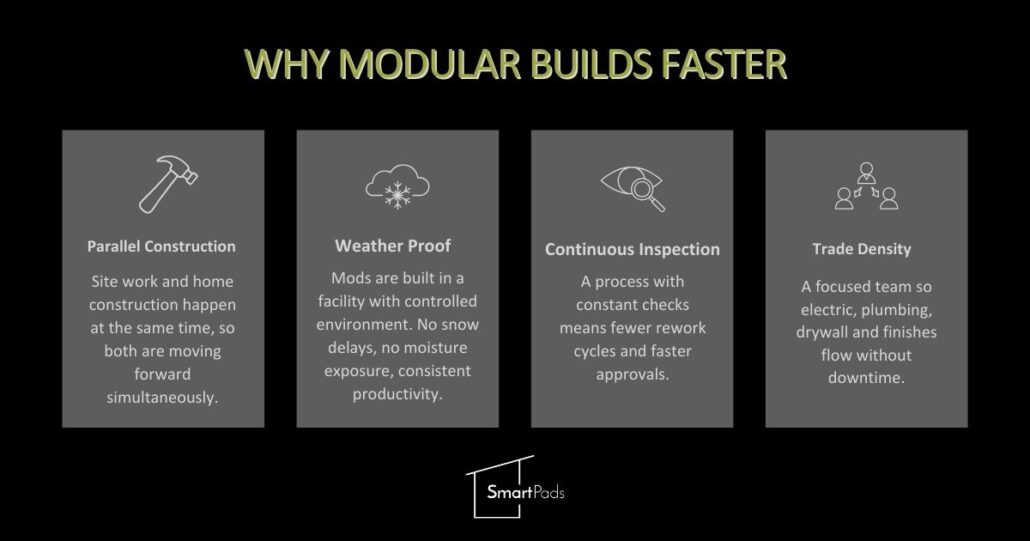
The primary takeaway is not simply that modular construction can be faster. It is that schedule compression has measurable financial and risk‑related consequences. In this project, months saved translated directly into six‑figure interest savings and a more predictable path to occupancy.
In practical terms, a shorter construction timeline creates flexibility. When months of financing costs are removed from a project, the resulting savings can go a number of different directions:
- Solar and battery systems that improve long-term performance
- Higher-quality interior finishes such as radiant heating
- Expanded outdoor living, including decks and hot tubs
- Furnishings or contingencies
- Retained as cash or making the home achievable within the original budget
For homeowners evaluating modular vs site-built construction approaches, understanding how time, financing, and risk intersect can be just as important as design, materials, or square footage.
This analysis reflects one project and uses conservative assumptions for illustrative purposes. Actual timelines and financing outcomes vary based on site conditions, permitting, lending terms, and market factors.