Fixed-price Construction Contracts Protect Your Budget and Strengthen Relationships.
In residential construction, few topics spark more confusion—and anxiety—than how a project is priced. Should you go with a fixed-price contract contract or a cost-plus agreement?
A common narrative for a homeowner who has just finished their project is: “How did we end up 30% over budget?!” In most cases, this homeowner had a cost-plus agreement.
As a builder who’s delivered custom and modular homes across mountain communities in Colorado and beyond, we’ve worked with both pricing models extensively. And while each has its place, we’ve found that fixed-price contracts—when properly structured—deliver the most predictable and transparent experience for both builder and client.
Let’s unpack why.
1. Fixed-Price = Cost Certainty from Day One
A home is likely one of the biggest investments you’ll ever make. You deserve to know exactly what it will cost.
With a fixed-price construction contract, you lock in your construction cost before the first shovel hits the ground. In the case of SmartPads, our modular construction contract price is set once we’ve agreed upon the level of customization and upgrades and before we hammer in the first nail. That means:
- No surprise invoices halfway through the build.
- No line-item confusion about what’s “included.”
- No escalating totals as materials fluctuate.
Your lender loves it, your budget loves it, and your peace of mind loves it.
Builders who price projects this way have done the homework—fully vetting drawings, specs, and vendor bids to deliver an honest number you can rely on.
2. It Shifts Risk Off the Homeowner’s Shoulders
In a cost-plus model, you (the homeowner) bear the risk of every price fluctuation, delay, or inefficiency. Lumber goes up 10%? You pay. A subcontractor takes longer than expected? You pay.
In a fixed-price home building model, the builder absorbs that risk.
That accountability drives efficiency. It motivates your builder to plan well, buy smart, and execute tightly. The project’s success depends on delivering quality within the agreed cost—something we take pride in.
3. It Encourages Better Planning and Communication
The process of arriving at a fixed price forces collaboration up front.
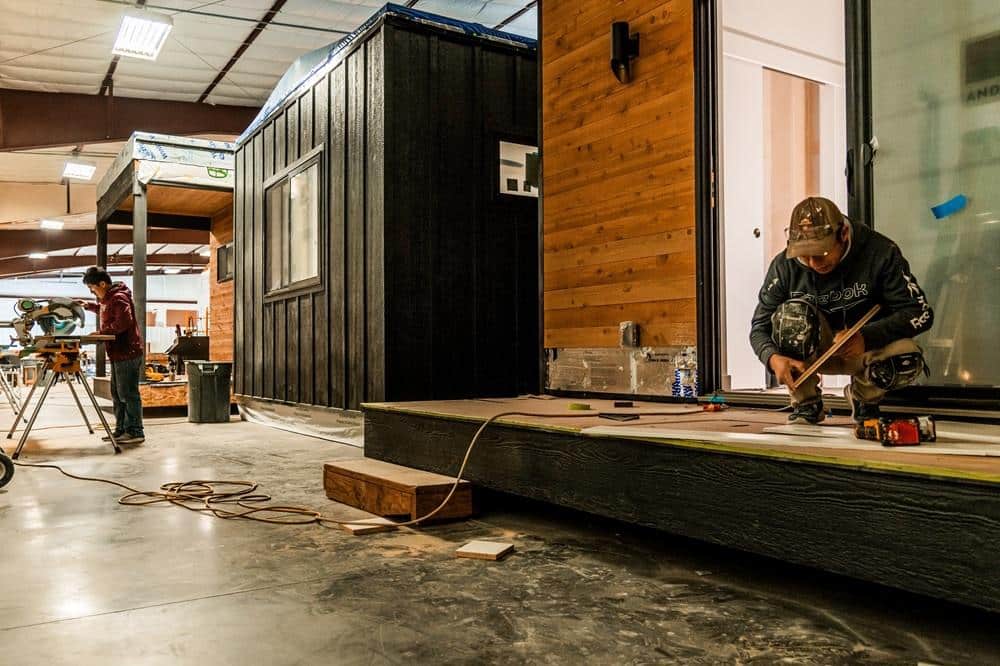
As part of the SmartPads modular construction process, before signing a contract, we work with homeowners, architects, and designers to finalize plans, elevations and overall design intent for the home.
This structured preconstruction phase:
- Identifies potential issues before construction starts.
- Clarifies expectations on finishes and features.
- Prevents “scope creep” that derails budgets midstream.
When everyone’s aligned early, the build runs smoother, faster, and cleaner.
4. It Builds Trust Through Simplicity
Transparency isn’t about dumping spreadsheets or piles of receipts on your desk—it’s about clear expectations and consistent communication.
Fixed-price modular home contracts make it easy for clients to understand what they’re paying for, what’s included, and what’s not. When changes do occur, they’re handled through documented change orders or upgrade costs —no gray areas, no hidden markups.
This clarity fosters trust, which is something that is paramount to us —the cornerstone of any great builder-client relationship.
5. It Rewards Professionalism and Precision
Not every builder can confidently offer a fixed price. Doing so requires:
- Strong relationships with suppliers and subcontractors.
- Experienced estimating across diverse project types.
- Operational systems to forecast and manage costs accurately.
In short, a fixed-price contract is a sign of a builder who knows their craft and is willing to stand behind their numbers.
When Fixed-Price Might Not Be the Right Fit
To be fair, some projects—like highly experimental designs or incomplete plans—are better suited for cost-plus. If your design is still evolving, or you want to explore finishes as you go, cost-plus offers more flexibility.
But for most custom homes where plans are well-developed and the client wants financial predictability, a fixed-price contract is simply the smarter, more transparent path forward.
Are there any other Caveats?
Yes, of course. Some portions of the project may need to be carved out from the certainty of the Fixed Price – typically these are called “Allowances”. Allowances are line items that are carried in the overall budget, but subject to reconciliation (up or down) based on final information or homeowner selections.
For Example:
“Builder is carrying a $6.00/SF material allowance for tile in Primary Bathroom 1 – consistent with our standard catalog selections and overall quality and aesthetic of the home” If you’re dead set on a different tile that costs $10.00/SF, then it is easily reconcilable at $4.00/SF extra than the Allowance Value.
A good builder will educate you along the way on your selections, and certainly not spend your money without your approval. Additionally, these items should only be used for uncertain items, not commodities (i.e. “Lumber Allowance” would be an abuse of this intent)
This “Allowance” mechanism allows >90% of the contract value to be fixed without putting the burden of selecting every tile at the time of risk transfer.
Should We Still Carry a Contingency in Our Construction Loan or Our Own Budget?
Yes, absolutely. There are still unknowns on a project, particularly with the on-site portions of the work that are more dependent on soil conditions or weather. Additionally, you may want to set aside an “Upgrade Budget” if you choose to add that Steam Shower you’ve always wanted, upgrade your appliances, or pick a slightly more expensive countertop.
But WAIT - Isn’t Cost-Plus More Transparent? How Do I Know What Fee My Builder’s Making?
Actually, No. Most trustworthy builders will share their fee or margin structure, which we are also happy to share. Contractor fees are fairly consistent across the residential Industry, and we are no different.
It can be counterintuitive, but a Cost-Plus structure creates a mis-aligned incentive structure, where the builder is not motivated to control costs.
It’s also worth noting that not all bids are created equal. If you’ve received a cost-plus estimate that looks substantially lower than a fixed-price proposal, it may not be an apples-to-apples comparison. Cost-plus contracts often exclude line items like finish selections, site prep, or change-order contingencies—expenses that can add up quickly once construction begins. A fixed-price bid, on the other hand, includes these costs up front, giving you a realistic picture of the true investment required to build your home.
Confidence in Your Builder
At the end of the day, homeowners hire builders not just to build, but to deliver confidence. A fixed-price contract does exactly that. It aligns incentives, controls risk, and turns what could be an uncertain process into a clearly defined partnership.
When SmartPads commits to a fixed modular construction contract, we’re telling you something important:
We’ve done our homework, we are experienced, and we’re ready to stand behind it.
About SmartPads
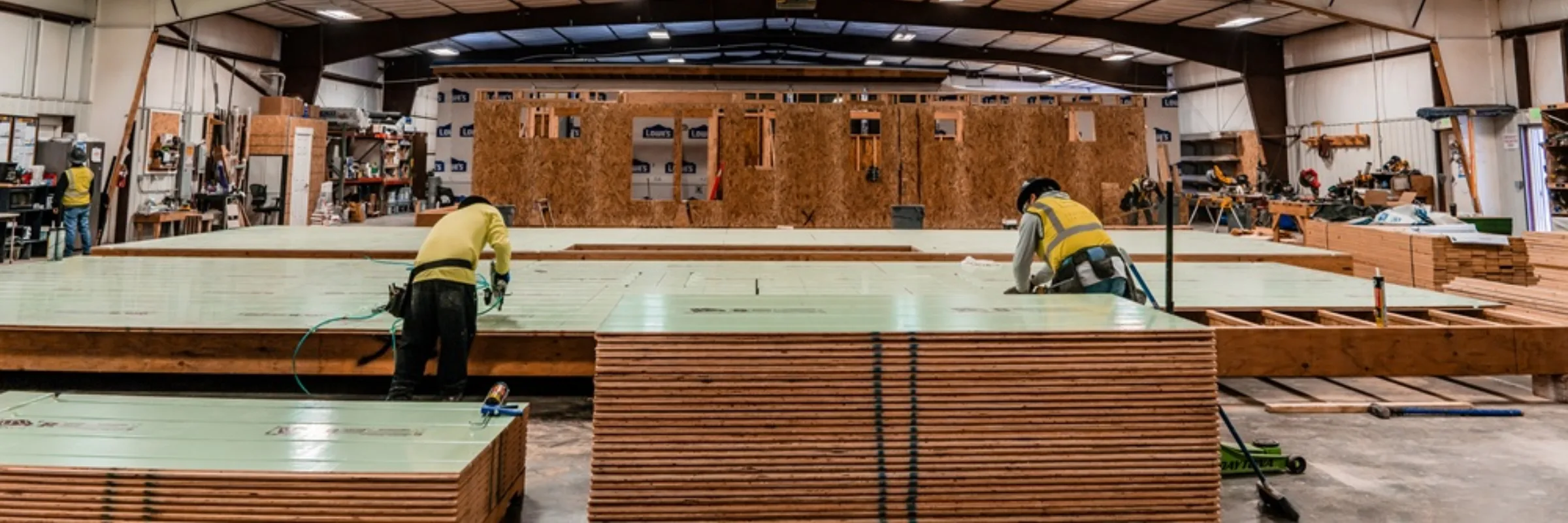
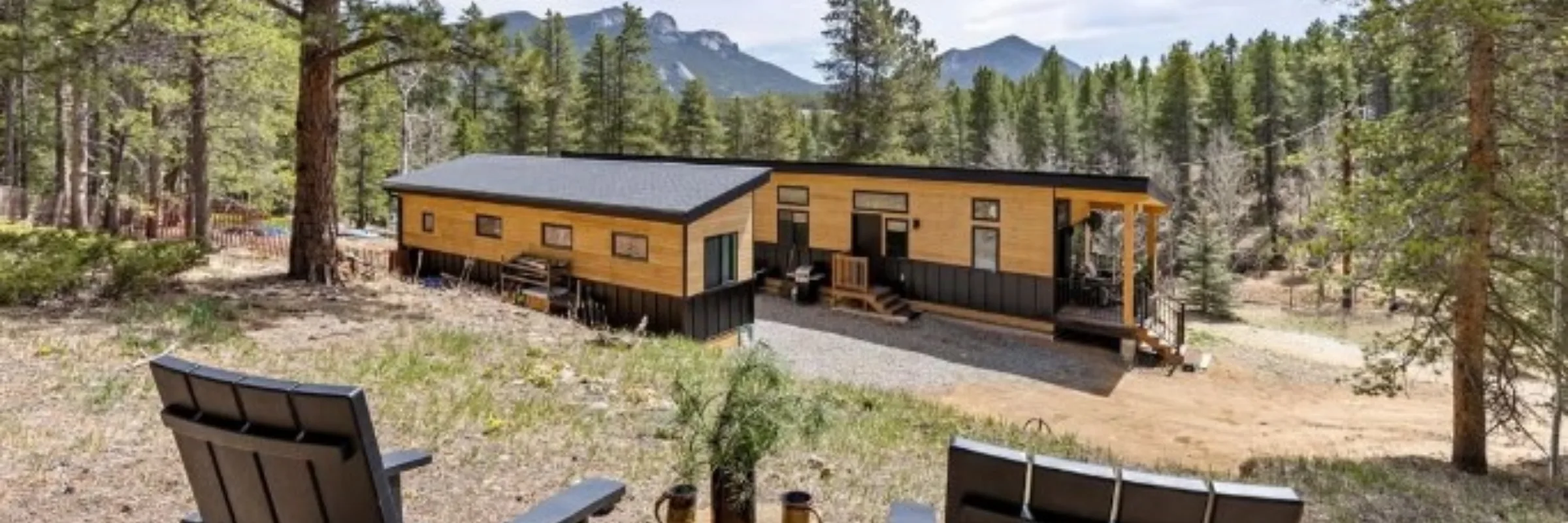
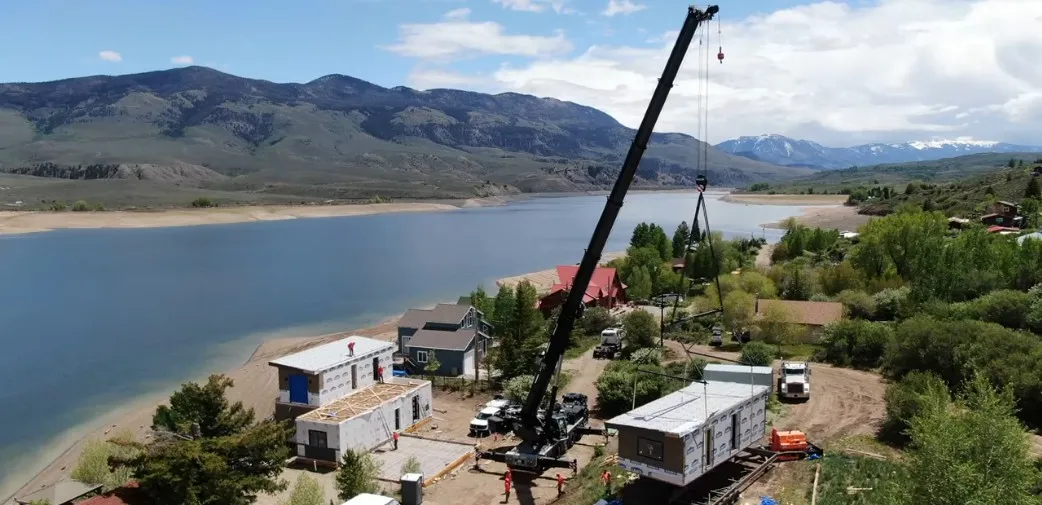
SmartPads builds custom prefab homes designed for life in the mountains. Based in Colorado, we bring together modern design, off-site construction efficiency, and deep expertise in mountain environments. Our fixed-price construction model gives homeowners confidence and cost certainty. Each SmartPads home is built with precision in our controlled facility and delivered to its permanent location, resulting in a faster, more predictable, and higher-quality build. Life’s too short for construction uncertainty—build smarter with SmartPads. Contact us to share details of your project, and we'll share our latest brochure with current pricing and home details.